Sewage Cleanup in Georgetown, TX
The shower drain in the hall bath gurgled for a week, and this morning the toilet in the master overflowed with water that did not come from the tank. This site connects you by phone with an independent local provider who cleans up after sewer backups in Georgetown and the towns around it.
Containment first, then what comes out
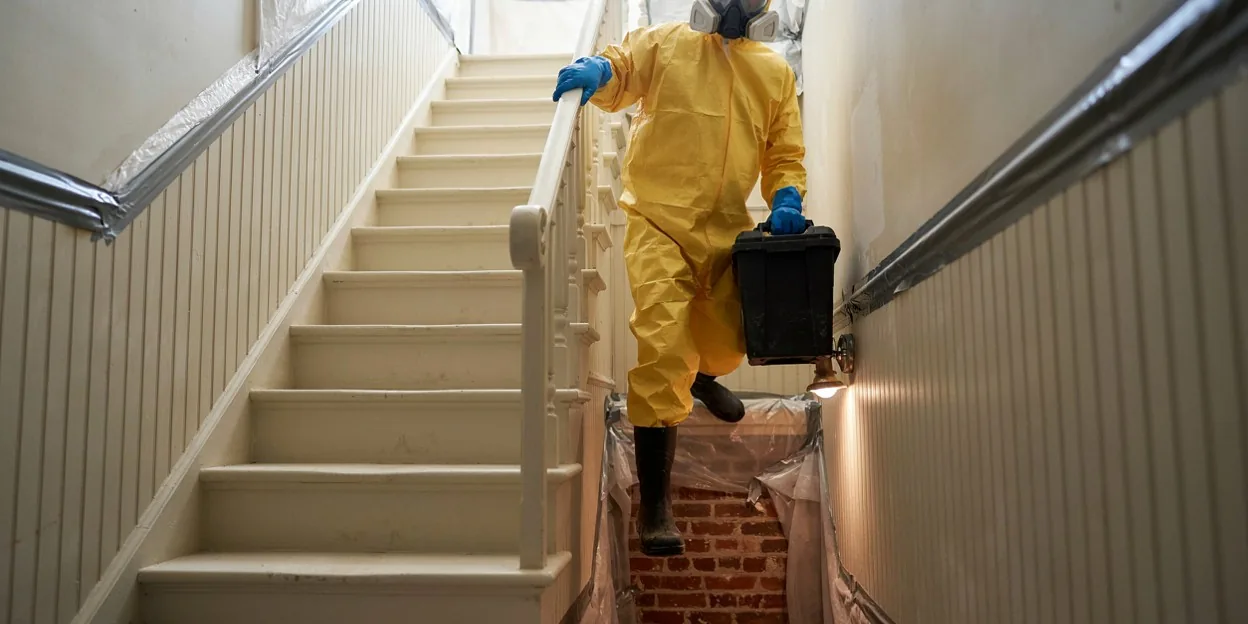
The crew sets up containment at the door of the affected rooms before they remove anything, so the contaminated material leaves the house without passing through the clean rooms. They wear protective gear and they use negative air to keep the odor and the airborne material inside the work area. Then they pull the water with an extractor that is dedicated to this kind of loss, bag the porous materials that touched it, and disinfect the hard surfaces that stay.
Everything porous that the water reached comes out. Carpet and pad, the bottom section of drywall, baseboard, particleboard cabinet bases, and cardboard boxes on the floor. Tile, sealed concrete, and finished wood get cleaned and disinfected and then metered. The crew documents each room with photos before and after removal, because the adjuster will want to see what went out and why.
Keep the door closed and the kids out
Stop using every drain in the house. Water from a shower upstairs comes out the lowest drain downstairs when the main line is blocked. Close the door to the affected room, keep children and pets on the other side of it, and do not run a fan that pushes the air into the rest of the house. Photograph the water from the doorway. Then call, and tell the crew it is a backup and not a supply leak.
Hard surfaces clean; soft ones leave
Tile floors and shower pans clean up. Sealed concrete in a garage cleans up. A finished oak floor is a judgment call that usually goes against the floor if the water sat more than a few hours. Drywall gets cut above the water line, usually at two feet, and the framing behind it gets cleaned and dried. Anything upholstered or fibrous that was on the floor leaves.
After the contaminated material is out, the rest of the job looks like a clean-water loss: air movers, dehumidifiers, and readings until the framing is dry. If the backup was in a pier-and-beam house and the water went through the floor, the crawl space gets the same treatment, and crawl space water extraction crews handle contaminated ground under a house. If the source turns out to be the city main rather than your line, that changes who pays, and the crew notes it.
Cast iron under Old Town, roots in the laterals, and a rising river
Georgetown's historic districts sit on drain lines laid when the houses were built, and a cast-iron or clay lateral from 1910 has a century of roots, scale, and offset joints in it. The pecans and live oaks that shade Olive Street and Elm Street send roots straight to a leaking joint. A backup in those houses usually starts at the lateral, and a camera inspection by a plumber tells you whether it is a one-time clog or a line that needs replacing.
Newer neighborhoods have a different pattern. In Sun City and Berry Creek the drain lines run under the slab, and a slab-line blockage backs up into the lowest fixture, which is often a shower in the master bath. Grease and wipes are the usual cause. Clay soil that shifts in a drought can also separate a joint under the slab, and that one shows up as a recurring backup in the same spot.
River flooding brings its own version of this loss. When the San Gabriel rose in July 2025, the water that came into low-lying garages and first floors carried whatever the storm drains and lift stations gave up. That is handled as flood cleanup, with the same containment rules as a sewer backup. Sewer backups are excluded from many Texas homeowner policies unless a backup endorsement was added, so check the policy and ask the crew for photos of the source and every room before anything goes to the curb. The rebuild afterward is water damage reconstruction, and replacing a lateral in the city needs a plumbing permit.
Call and say the word backup
Have the address ready and say which fixture it came from, which rooms it reached, whether you have stopped using the drains, and whether the house is pier-and-beam. Mention if a plumber has already looked at the line. Call (512) 399-1654 and we put you through to a local provider serving Georgetown and northern Williamson County.